Skip to content

Table of Contents
If you noticed new brown spots or a patchy, uneven tone showing up once summer wound down, you’re not imagining it, and you’re definitely not alone. How to treat pigmentation damage comes down to two things: breaking down the excess pigment your skin built up over the summer and protecting your skin so it doesn’t pile right back on. Professional hyperpigmentation laser treatment like the M22 system at Silk Touch in Boise can clear sun spots and even out tone, while smart daily habits keep your results from fading.
Here’s what’s actually going on with your skin, and what you can do about it.
Does laser treatment for sun spots hurt?
Most people tolerate laser treatment for sun spots well, and it is often described as a series of quick, warm snaps against the skin rather than something painful. After an IPL session, the treated spots usually look darker for a few days before flaking away on their own, which is a normal part of the process. Any discomfort is typically mild and brief, and your provider can talk through what to expect during your consultation.
Why Idaho Summers Leave Their Mark on Your Skin
Idaho summers are harder on your skin than they feel. Boise sits at a higher elevation than most people factor in, and a thinner atmosphere means stronger UV rays reach your skin, even on days that feel mild or overcast. A walk along the Greenbelt, a weekend floating the Boise River, or a day up at Bogus Basin all add up faster than you’d expect.
When your skin takes in that much UV, it responds by producing extra melanin, the pigment that gives skin its color. That melanin tends to clump unevenly, which is what shows up later as spots and patches. The frustrating part is the delay. Pigmentation often surfaces weeks or even months after the exposure that caused it, so the spots you’re seeing now in fall are really a record of your summer.
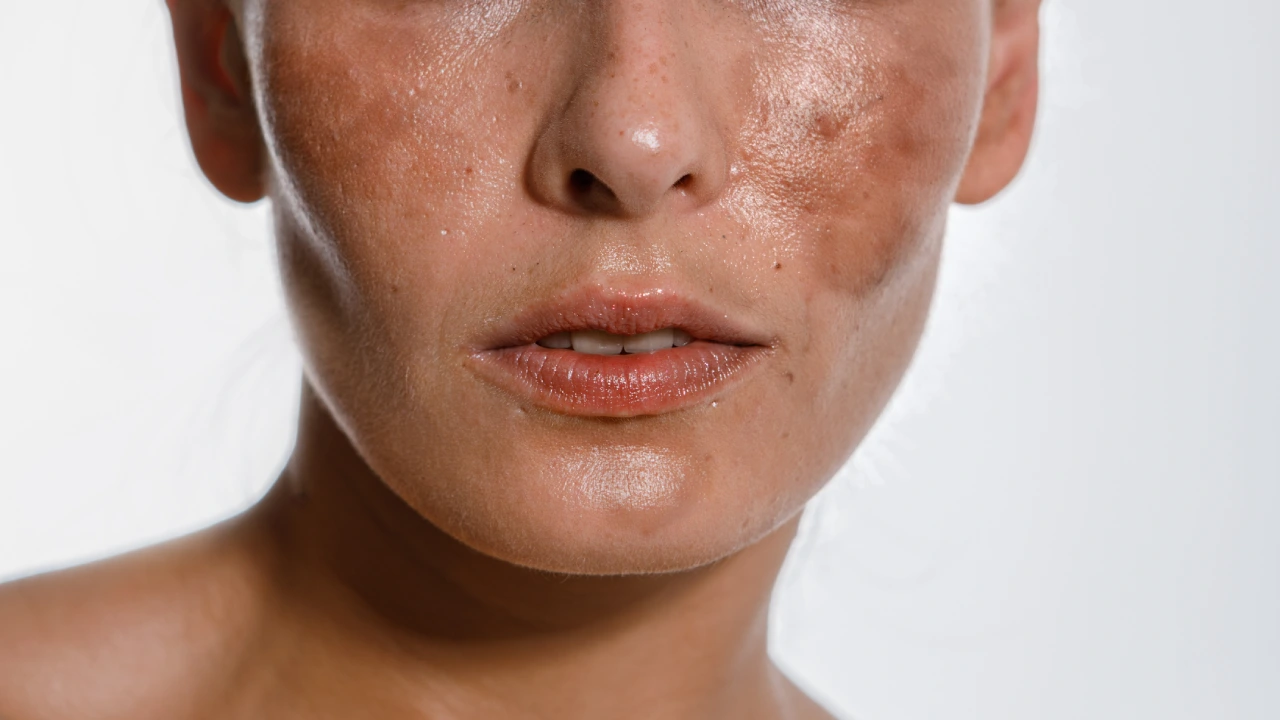
What Sun-Related Pigmentation Actually Looks Like
Sun damage treatment starts with knowing what kind of pigmentation you have, because they don’t all behave the same way. Most sun-related pigmentation falls into a few familiar patterns:
- Sun spots and age spots: flat, brown, well-defined patches that tend to show up on the face, chest, and the backs of the hands, the areas that catch the most light.
- Uneven tone and freckling: a more diffuse scattering of color across high-exposure areas, rather than distinct spots.
- Melasma: larger, blotchy patches that are often driven by hormones but get noticeably worse with sun exposure.
These spots can look alike at first, but they do not always behave the same way. Simple sun spots near the surface often respond well to treatment, while melasma can be more difficult and may darken if the treatment is too strong. That is why it is better to have the pigmentation checked instead of trying to guess what it is and treating it the same way.
When to See a Provider About Pigmentation
Most sun-related pigmentation is completely harmless, just cosmetically annoying. But your skin is also the place where more serious issues can first appear, so it’s worth knowing the line.
Any spot that changes shape, color, or size, has irregular borders, bleeds, or won’t heal deserves a medical evaluation, not a cosmetic laser. That’s a quick conversation with a provider, and it’s always the right call when something looks different from the rest. For everything else, a consultation does something useful: it confirms what type of pigmentation you’re actually dealing with before anyone treats it, so the treatment fits the problem.
How Professional Laser Treatment Targets the Pigment
When you want to actually clear sun damage rather than just manage it, professional treatment is the step that does it. At Silk Touch in Boise, the M22 laser handles pigmentation through a few different technologies, which helps because not all pigment sits at the same depth:
- IPL (intense pulsed light) is the workhorse for surface-level sun spots and broken capillaries. It delivers broad-spectrum light that pigment absorbs, breaking it up so your body clears it naturally over the following days.
- ResurFX, a non-ablative fractional laser, works beneath the surface without wounding the top layer of skin. It stimulates collagen to improve texture and tone, which helps with the dull, uneven look that lingers after a long summer.
- Q-Switch is built for deeper, more stubborn pigment, including older sun spots and some melasma, using short high-energy pulses to break apart particles that sit lower in the skin.
- Photofractional treatment combines IPL and ResurFX in one session to address tone and texture at the same time.
Which approach makes sense depends entirely on your skin, and that’s what a provider sorts out during your consultation.
What Realistic Improvement Looks Like, and How Long It Takes
Knowing how to fix sunspots also means knowing what recovery actually looks like, so nothing catches you off guard. After an IPL session, surface spots often look darker for a few days before they flake away on their own. That’s normal and a sign it’s working, not a setback.
Most people need a series of treatments rather than a single visit to see meaningful clearing, usually spaced a few weeks apart so the skin can recover between sessions. Results vary from person to person based on the type of pigmentation, your skin tone, and how well you protect your skin afterward.
Your skin tone also affects how treatment should be handled. Light-based treatments are not something to use the same way on everyone, so your provider looks at your Fitzpatrick skin type before choosing the right settings. That step helps make the treatment safer and more effective for your skin. It is not just a quick checkbox during the appointment. It is one of the reasons professional treatments can be a better choice than trying to fix pigmentation with over-the-counter products alone.
How to Keep New Pigmentation From Coming Back
Skin rejuvenation after summer only lasts if you protect the results, because the same sun that caused the damage is still there. The good news is that maintenance comes down to a few habits you can build into your routine:
- Wear sunscreen daily and reapply every couple of hours during long days outdoors, which matters most through Idaho’s bright summer stretch.
- Use hats and shade, and time your outdoor plans around the lower-UV parts of the day, like early morning or evening.
- Stay consistent with skincare and occasional maintenance treatments to keep your tone even and your results holding over time.
None of this is complicated, but it’s the difference between results that last and spots that slowly creep back.
Ready to See Clearer Skin Again?
If summer left its mark and you’re tired of looking at it, you don’t have to wait it out and hope it fades. The team at Silk Touch Cosmetic Surgery, Lipo, & Medspa in Boise can take a look, tell you exactly what kind of pigmentation you’re dealing with, and walk you through whether M22 laser treatment is the right fit for your skin. Ready to reverse summer sun damage? Book your custom skin analysis at Silk Touch Cosmetic Surgery & Medspa in Boise, ID, today.